2026-07-03
The Brantly TV ComputerThe problem with my parents’ entertainment devices like a Fire TV, or a “smart” TV is that they are “walled gardens”… we …
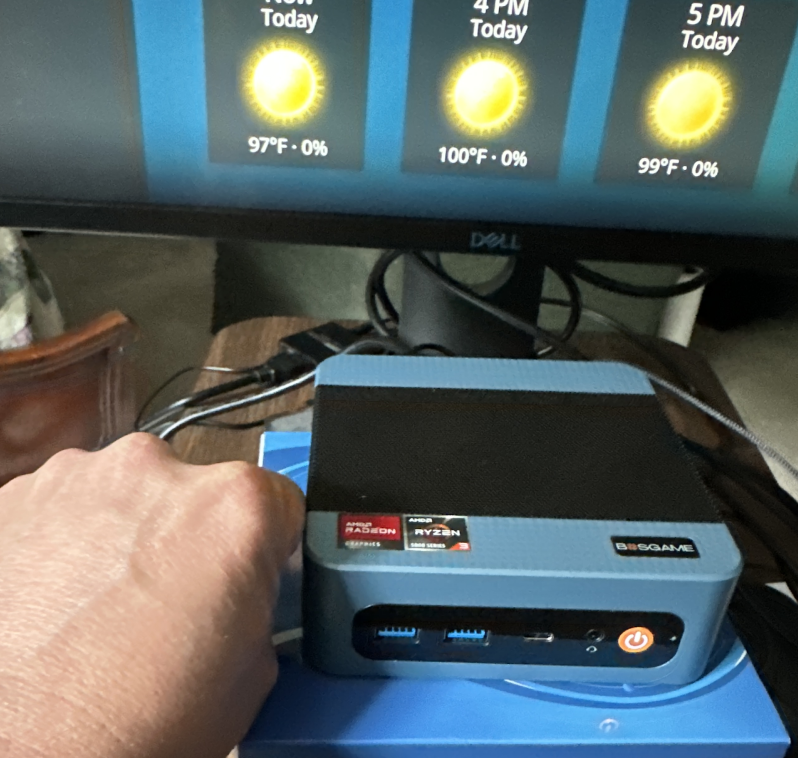
The problem with my parents’ entertainment devices like a Fire TV, or a “smart” TV is that they are “walled gardens”… we …
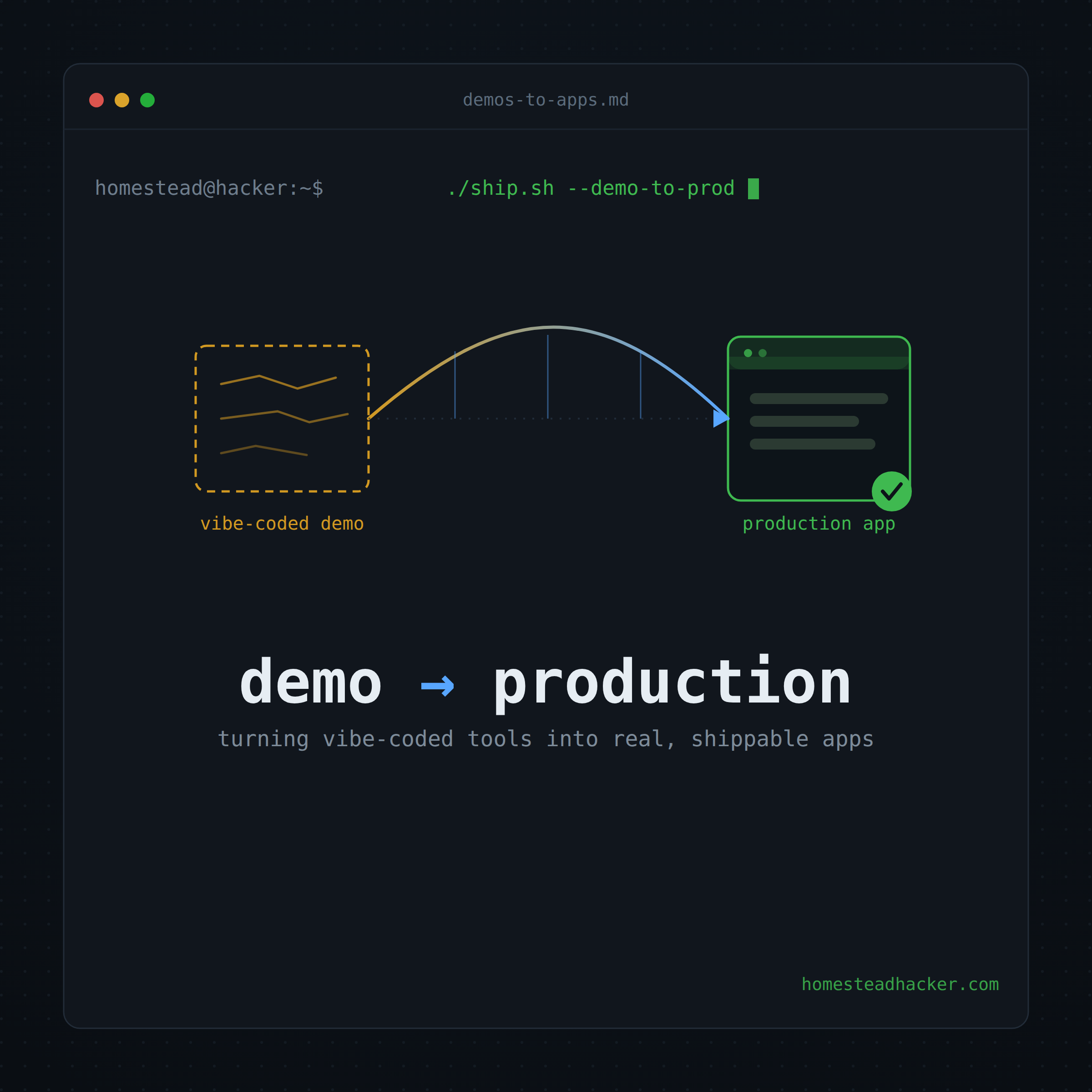
Turning vibe-coded tools into real, shippable apps — and a quiet word about what I’m building next. I know it’s been quiet around here. That’s …
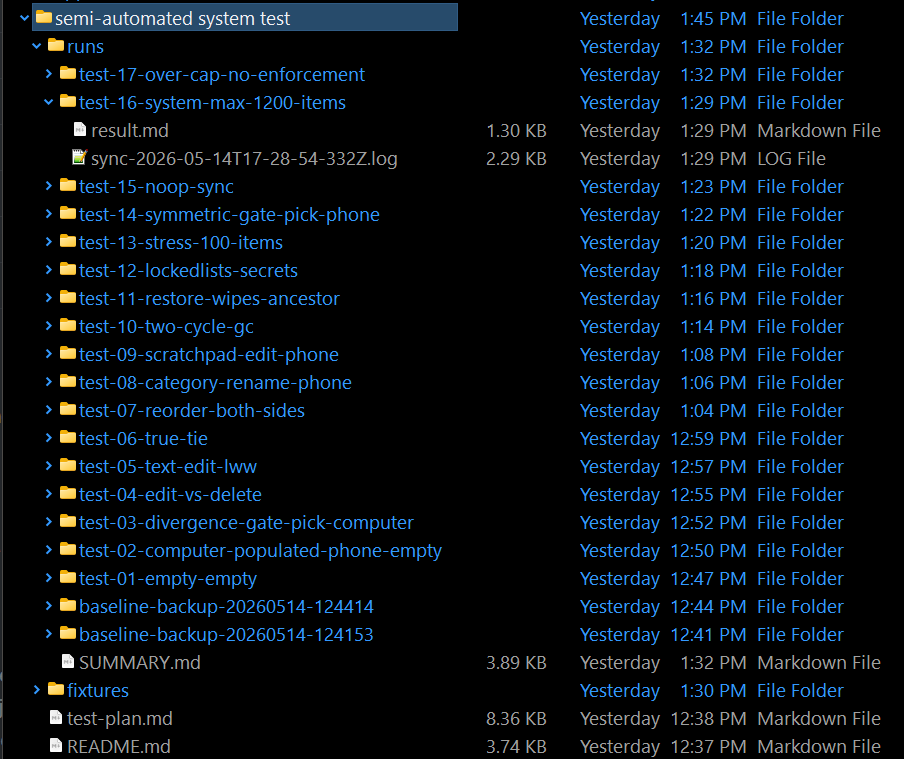
Semi-automated system test harness for mobile testing. JotBunker as the case study: 17 scenarios in 45 minutes. JotBunker syncs across two apps: phone and …
In addition to releasing commercial software under my LLC (and client’s business entities as the developer role), I’m also a solo developer. I built …
homesteadhacker.com - now 100% more fun! Since my last post, on the business end: JotBunker for iOS, Android, and Windows has been released! jotbunker.com is …
I work at the intersection of IT, engineering, and product. In places where the mindset is not just writing code or cybersecurity, but a systems view that includes understanding the domain basics, workflow constraints, and navigating the real world "gotchas". My work includes agentic development workflows, automation, integrations, and tools. My consulting business is about working with individuals and small businesses to figure out which tools are worth adopting. And then to help implement them.
When I was in tenth grade, I found an old copy of Ted Nelson's Computer Lib / Dream Machines at a library sale. It's a self-published, zine-style manifesto from 1974 arguing that computers were being made unnecessarily complex and gatekept by experts. Nelson believed ordinary people had both the right and the ability to understand and control computers. He wanted to blow the doors off the priesthood. That first edition is now a collector's item, and its ideas still shape me today.
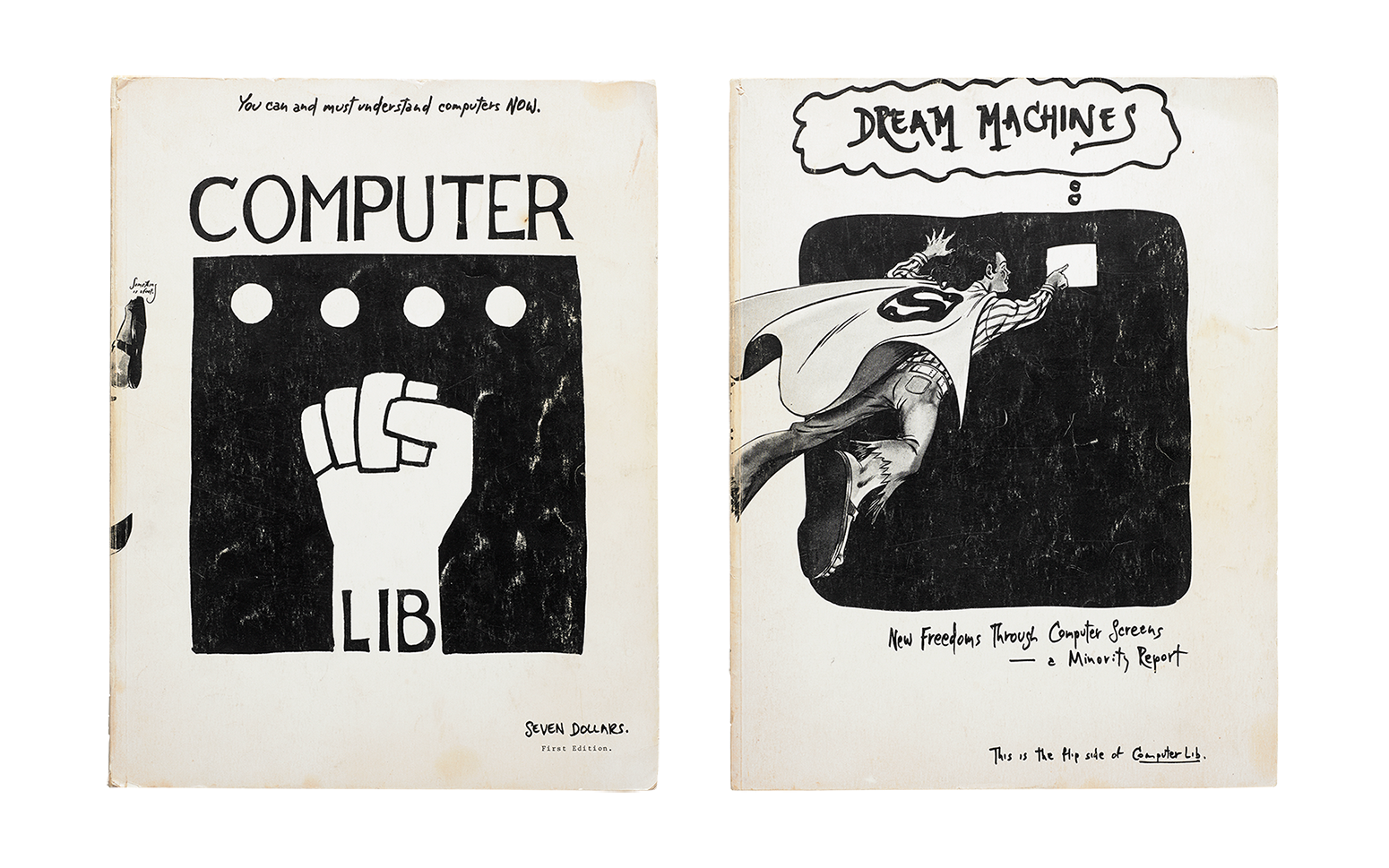
"You can and must understand computers NOW!" was very different from what we actually got. Instead, these ideas were (and still are) rushed to products because corporations need profit. Most people simply didn't have time to dig into the nerdy stuff. If you want to learn more about the original vision for personal computing, read John Markoff's What the Dormouse Said which is my favorite book on computing history.
I am still driven by the vision behind Douglas Engelbart's "Augmented Human Intelligence" project, before computing was fully productized and absorbed into the corporate mold. That's part of what fuels my contrarian streak: I think there's a real chance a lot of modern tech is doing more harm than good. I also hope we eventually recognize that surveillance-capitalist tech is not actually what we meant to sign up for.
My whole adult life, I've tried to cut through the ocean of technology offerings and be deliberate about what I let into my life. And what I keep out. That's the heart of my "homestead hacker" identity: regularly audit my tech footprint, and for each tool ask: Do I need this? What does it actually do better? And what are the tradeoffs?